

By Samantha Baker
Home Prices & Market Pace
In Norfolk, the housing market remains active and fairly competitive. Recent figures show median home sale prices hovering around $330,000, up approximately 1–2% compared to the prior year. Homes are moving at a moderate pace, often spending three to four weeks on the market before sale.
For those listing homes right now, expect many sales to land close to the asking price. The market leans neither sharply in favor of buyers nor sellers—demand is steady, but not explosive.
Rental Trends & What Renters Should Expect
Rent in Norfolk has been climbing steadily, with overall rents up about 5–6% year over year. The average rent for a one-bedroom is around $1,400/month, while two- and three-bedroom units often reach $1,600–$2,000+, depending on location and condition.
Neighborhood and unit type matter a lot. Studios are smaller and more accessible, while larger homes and townhouses carry steeper price tags. Renters should also account for cost variances based on amenities, flood risk, and proximity to employment hubs like downtown or military bases.
Neighborhood Revitalization: St. Paul’s & Kindred
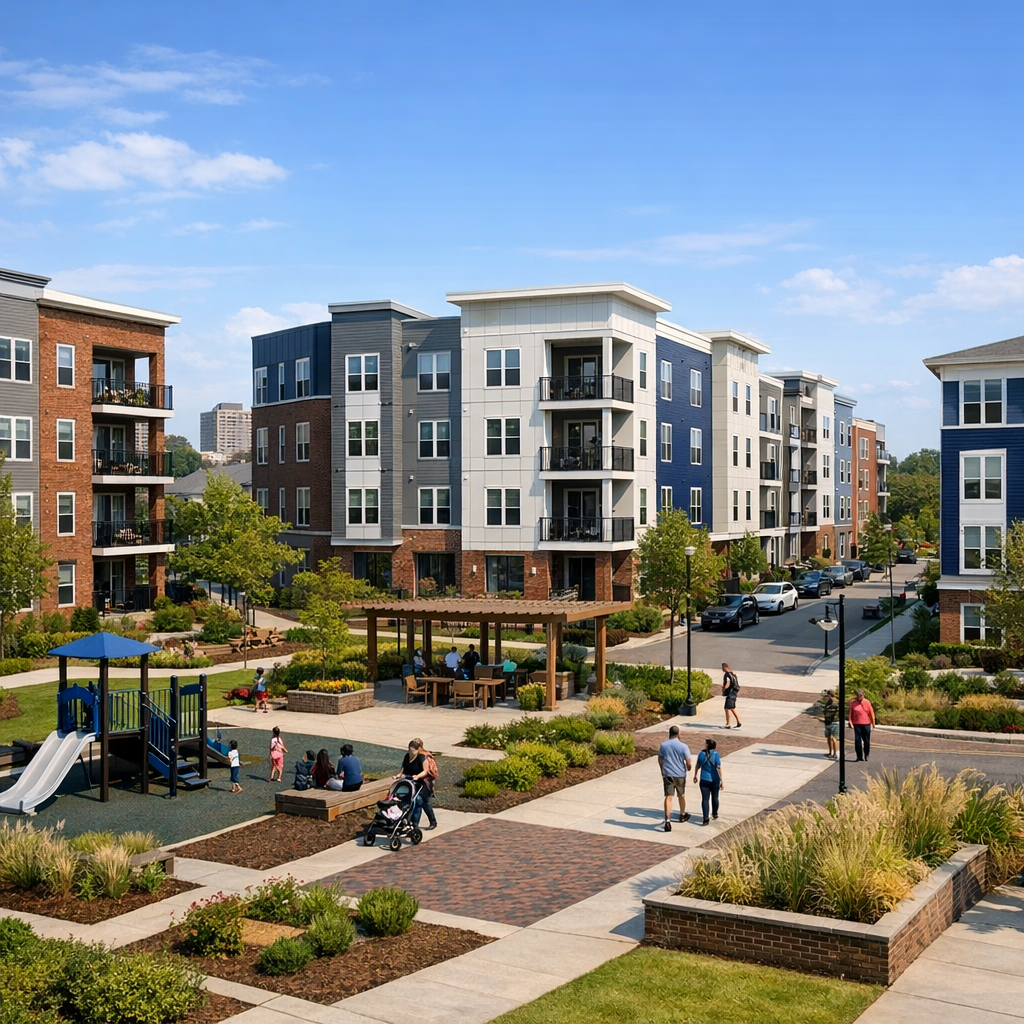
One of the most ambitious projects underway is the transformation of the former Tidewater Gardens into what is being branded as Kindred. This redevelopment is part of the broader St. Paul’s Area Transformation Plan, supported by federal Choice Neighborhoods funding. The vision: a mixed-income, mixed-use community that addresses flooding, infrastructure gaps, and opportunities for education, jobs, and resident support.
A recent milestone is Unity Place at Kindred, offering 140 mixed-income apartments, including replacement units for residents from old Tidewater Gardens developments. Construction continues on additional phases through late in the year.
Incentives, Zones & What That Means for Investment
Norfolk contains 16 official Opportunity Zones, areas designated for preferential tax treatment when development meets certain criteria. These zones overlap many neighborhoods seeing new investment interest. Developers and potential buyers should check whether properties are located within these zones to understand the financial incentives available.
The City’s Bureau of Housing Development is also pushing strategies to expand affordable housing stock and leverage public-private partnerships. Initiatives include place-based neighborhood transformation efforts and programs to ensure that both existing and new residents benefit from growth.
What Buyers & Renters Should Keep in Mind
- Inspect for flood risk. With many older districts and rising coastal concerns, new development in places like Kindred intentionally includes improved stormwater infrastructure.
- Think long term. Even modest price gains can yield value over time—but location, amenities, and neighborhood trends greatly influence resale potential.
- Be prepared to act. Though not as frenzied as some markets, well-prepared offers often carry the day—whether buying or leasing.
- Engage with community planning. Projects like Reconnecting Communities, which aims to mend disconnections caused by major highways, may influence property values and access in affected neighborhoods.
The Road Ahead
As Norfolk balances growth with affordability, expect incremental home value increases, rising rents, and more mixed-use redevelopment in areas with historical underinvestment. For many, the question won’t be if prices rise—but which neighborhoods offer the right combination of community, cost, and opportunity.